iheartliverdetox your life
July 13, 2026 · 10 min read · by Katie, @iheartliver

5 Best Natural Fiber Swimwear Brands (No Synthetic Fabric)

Swimwear sits wet against skin for hours, often in chlorinated or salt water, which makes fiber choice matter more than most categories. These five brands span organic hemp, organic cotton, TENCEL, and merino wool, so there's a real natural fiber option whether you're at the pool or the beach.

Why fiber content matters even more when it's wet

Nearly all mainstream swimwear is nylon or polyester with spandex, often chemically treated for chlorine and UV resistance on top of the synthetic base fabric. That combination sits against skin for hours, wet, in water that can react with synthetic dyes and coatings. Every pick below leads with a natural fiber, organic hemp, organic cotton, TENCEL, or merino wool, with the exact fiber content and any other materials each brand uses called out so you know what you're actually buying.

The 5 best natural fiber swimwear brands

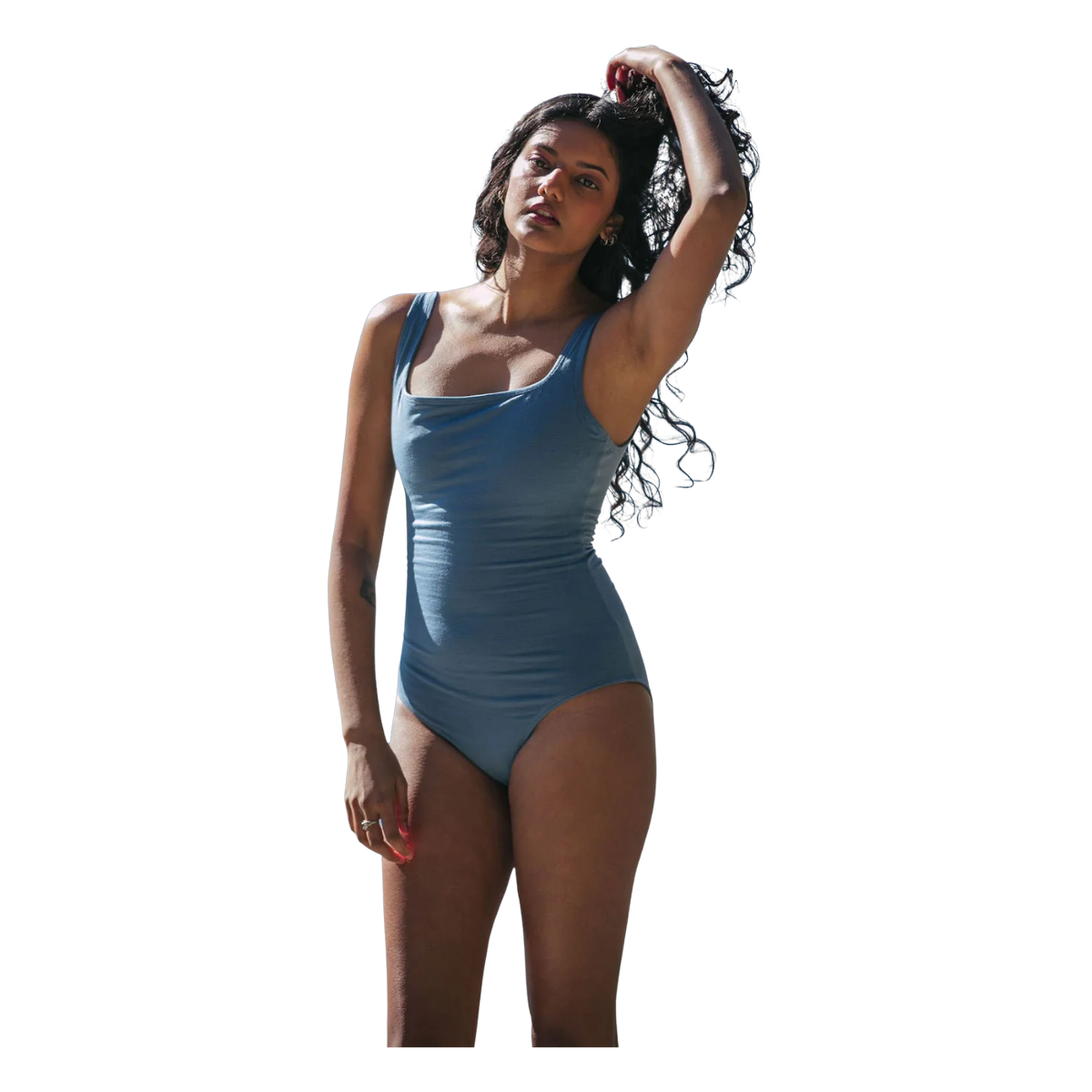
Natasha Tonic swimwear
The most established name in natural fiber swimwear, hand-dyed in LA

1. Natasha Tonic

Fiber: Certified organic hemp and cotton blend

Other fibers the brand uses: The full collection also includes activewear in the same hemp-cotton blend, hand-dyed with the same process

Natasha Tonic set out specifically to replace polyester swimwear with something biodegradable and plant-based, and it shows in the details: every piece is designed, sewn, and hand-dyed in the brand's LA factory using low-impact, GOTS-certified dyes with no heavy metals. The hemp-cotton blend is naturally breathable, antimicrobial, and UV resistant, properties that come from the fiber itself rather than a chemical treatment. Good On You rates the brand "Great" on its Planet score specifically for this material choice.

Price: $60–$185 for bikinis and one-pieces

Pros

  • Certified organic hemp and cotton, naturally antimicrobial and UV resistant
  • Hand-dyed in-house with low-impact, GOTS-certified dyes, no heavy metals
  • Designed to be biodegradable at end of life, unlike polyester swimwear
  • "Great" Planet rating from Good On You

Cons

  • Premium pricing compared to conventional swimwear
  • Hemp-cotton blend has a different, less stretchy hand than nylon-spandex swim fabric
  • Limited size range compared to mass-market swim brands
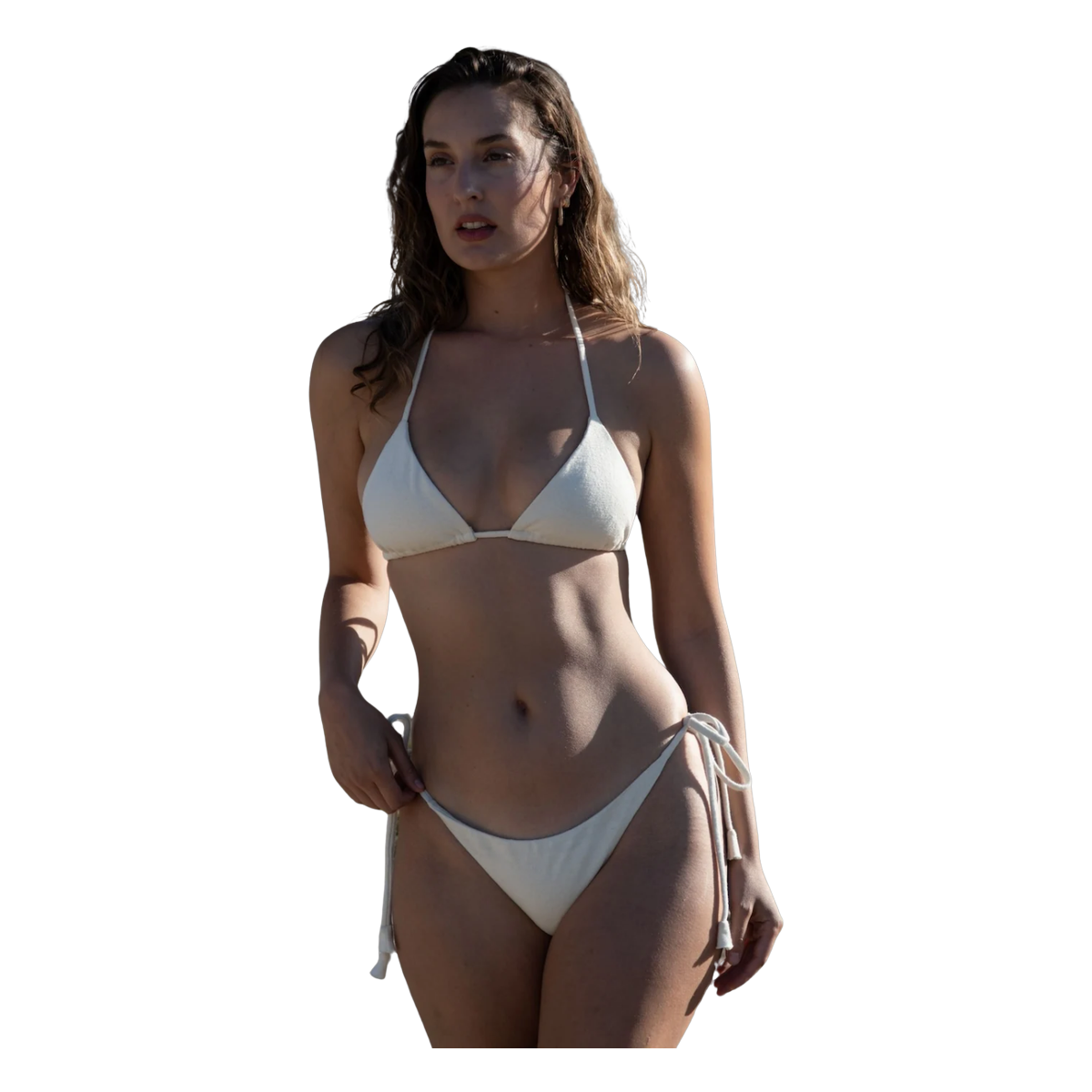
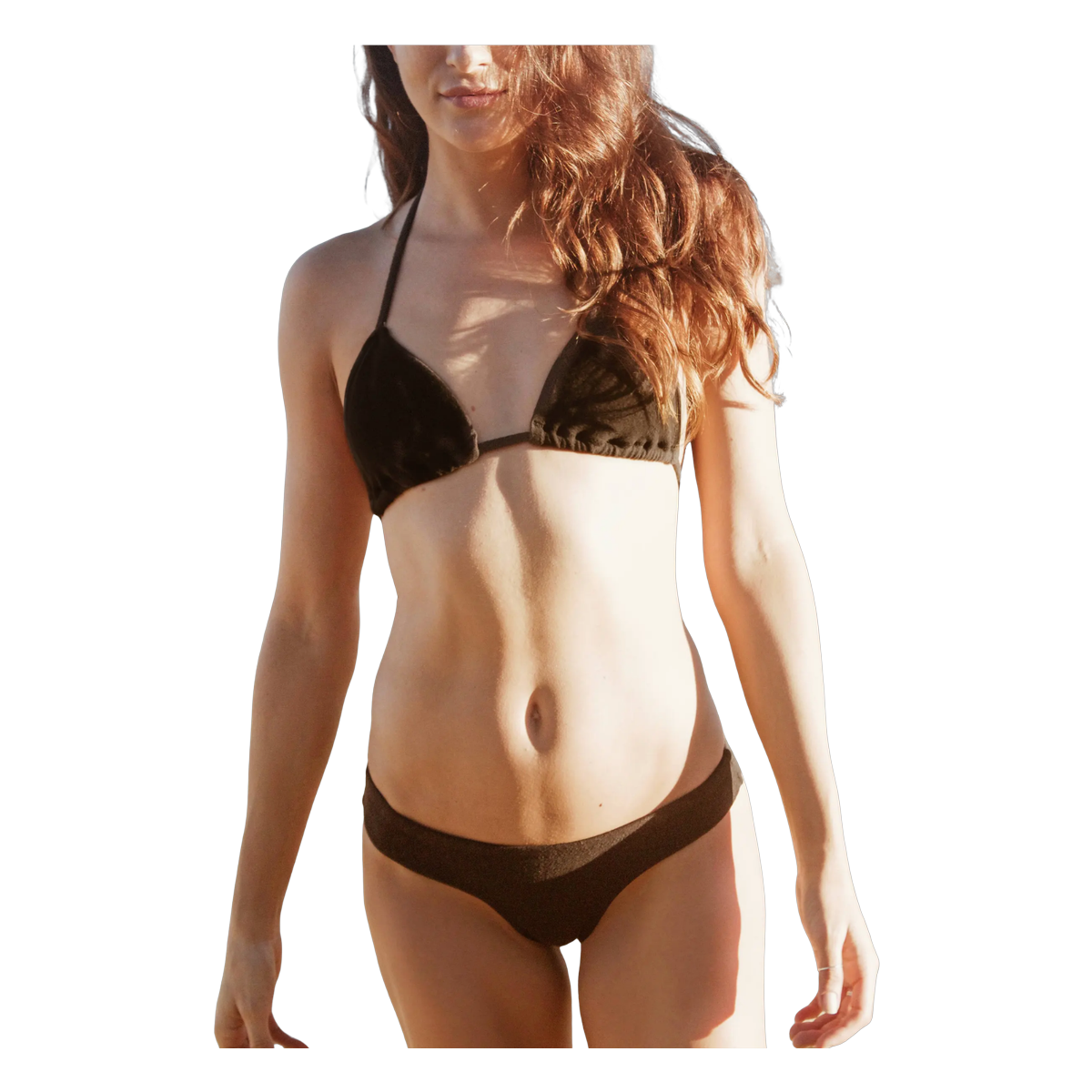
BeachCandy Swimwear swimwear
Zero synthetics, a majority-hemp blend from a women-owned luxury label

2. BeachCandy Swimwear

Fiber: 53% organic hemp, 47% organic cotton, zero synthetics

Other fibers the brand uses: The brand's broader line includes organic loungewear and underwear in the same hemp-cotton blend

BeachCandy is a women-owned luxury brand out of Newport Beach that's been making toxin-free, 100% natural fiber swimwear since 2011, with zero synthetic fiber anywhere in the blend. The 53% hemp, 47% organic cotton fabric is genuinely breathable and temperature-regulating rather than the trapped-heat feel of neoprene or nylon swimwear. Pieces are custom-tailored in small batches, which customers consistently credit for the fit, though it also means limited availability compared to mass-produced swim brands.

Price: $120–$169 for tops, bottoms, and one-pieces

Pros

  • Zero synthetic fiber, genuinely 100% organic hemp and cotton
  • Custom tailoring praised repeatedly in customer reviews for fit
  • Women-owned, in business since 2011
  • Naturally breathable and temperature-regulating fabric

Cons

  • Higher price point reflecting small-batch production
  • Limited availability due to small batch sizes
  • Less compressive hold than synthetic swim fabric
Simply Merino swimwear
The only wool swimsuit here, biodegradable and made for sensitive skin

3. Simply Merino

Fiber: 17–19 micron merino wool

Other fibers the brand uses: The brand's full catalog is entirely merino wool, spanning kids', women's, and men's swim and base layers

Simply Merino uses an ultra-fine 17-19 micron merino wool, fine enough that the brand markets it as gentle enough for newborn skin, in a fully biodegradable fabric from non-mulesed farms. It's the one swimsuit on this list with zero plant fiber, which matters if you're sensitive to cotton or hemp specifically, or if you want a fabric that's naturally odor-resistant between wears. The one-piece holds a 4.77 out of 5 rating across 83 reviews, with reviewers specifically noting it's more comfortable than synthetic suits for sauna and hot-weather wear.

Price: $50–$125 depending on the piece

Pros

  • Ultra-fine 17-19 micron merino wool, gentle enough for sensitive skin
  • Fully biodegradable and sourced from certified non-mulesed farms
  • Naturally odor-resistant between wears
  • 4.77 out of 5 rating across 83 reviews

Cons

  • Some reviewers note the top seam can gap due to how the stretch fabric is stitched
  • Wool has a different feel in water than cotton or hemp, worth trying if you've never worn wool swimwear
  • Designed and made in Canada, so it's a smaller-scale operation than mass swim brands
Read the full product page →Check it out →
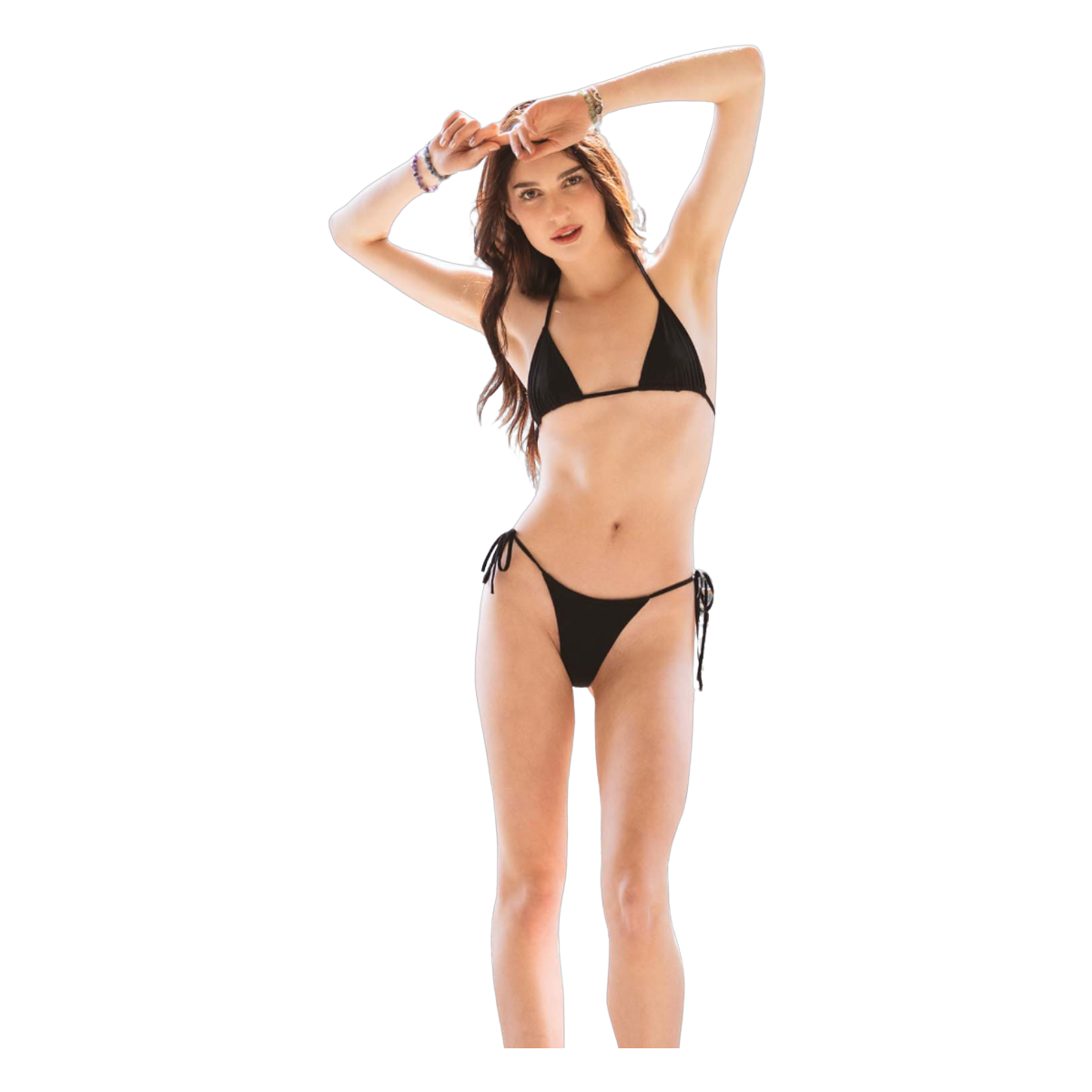
Indie Attire swimwear
The Etsy favorite, fully lined in hemp and cotton instead of synthetic mesh

4. Indie Attire

Fiber: 53% hemp, 43% organic cotton, 4% lycra

Other fibers the brand uses: The shop's other listings include hemp-silk blends and upcycled fabric pieces

Indie Attire is an Etsy shop with a 5 out of 5 rating across 105 reviews, and it stands out for one specific detail: the bikinis are fully lined in another layer of hemp and organic cotton fabric, not the typical synthetic mesh lining most swimwear uses even when the outer fabric is natural. Reviewers specifically call out that the fabric held up in the ocean without stretching out when wet, which is the actual test for swimwear durability. The small amount of lycra (4%) keeps the fit secure without relying on synthetic fiber for the bulk of the garment.

Price: $55–$84 for a top or bottom

Pros

  • Fully lined in hemp and organic cotton, not synthetic mesh
  • 5 out of 5 rating across 105 Etsy reviews
  • Reviewers confirm it holds up in ocean water without stretching out
  • Only a small 4% lycra content to secure the fit

Cons

  • Small independent shop, so sizing and stock can be limited
  • 4% lycra means it's not entirely natural fiber
  • Etsy processing and shipping times vary more than a standard retailer
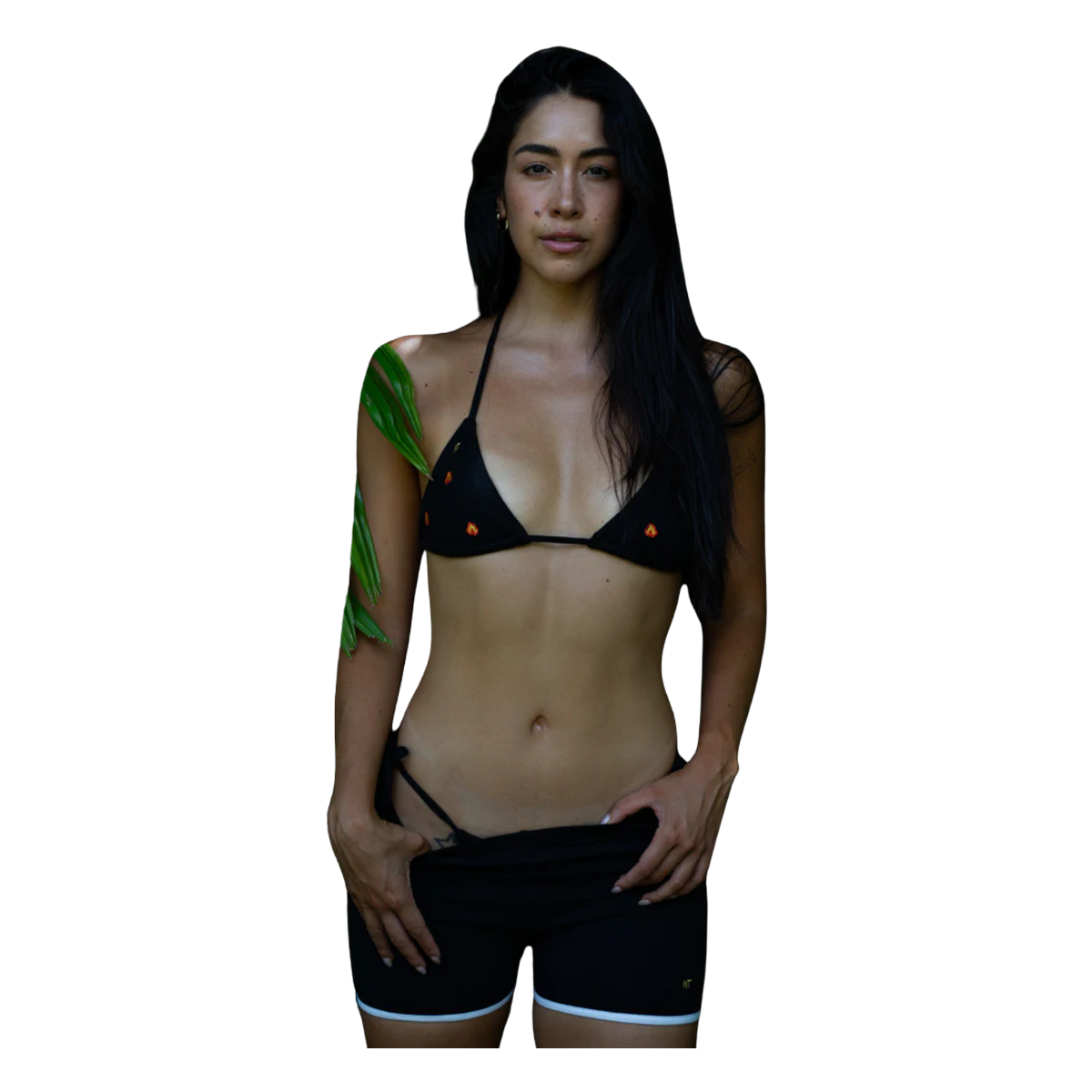
Public Myth swimwear
The most accessible price point, OEKO-TEX certified organic cotton and TENCEL

5. Public Myth

Fiber: Organic cotton and TENCEL Lyocell blend

Other fibers the brand uses: Public Myth's broader line also uses bamboo and merino wool across activewear and loungewear

Public Myth blends organic cotton, grown without synthetic pesticides or fertilizers, with TENCEL Lyocell, a biodegradable fiber made from sustainably sourced wood pulp, and every piece is OEKO-TEX Standard 100 certified, meaning it's tested for over 100 harmful substances. Customers who've owned pieces for about a year describe the fabric quality as soft, flexible, and holding up well over time. It's priced closer to accessible than luxury, which makes it a reasonable entry point if you're testing out natural fiber swimwear for the first time.

Price: $50–$65 for a top or bottom

Pros

  • OEKO-TEX Standard 100 certified, tested for over 100 harmful substances
  • Organic cotton grown without synthetic pesticides or fertilizers
  • TENCEL Lyocell adds stretch and softness without relying on spandex
  • More accessible price point than most natural fiber swim brands

Cons

  • Less established swimwear-specific track record than dedicated swim brands
  • Fewer color and print options than mass-market competitors
  • TENCEL blend means it's not a pure single-fiber garment

Frequently asked questions

Why does synthetic swimwear fabric matter for skin health?

Standard swimwear is almost always nylon or polyester with spandex, both petroleum-based synthetics, often treated with chlorine-resistant or UV-resistant chemical coatings. That fabric sits wet against skin for extended periods, sometimes in chlorinated or saltwater that can interact with synthetic dyes and coatings. Natural fibers like organic cotton, hemp, and merino wool don't rely on those chemical treatments and breathe better when wet.

Does natural fiber swimwear actually hold up in the water?

Yes, with the right fiber blend. Hemp and organic cotton blends (like BeachCandy's or Indie Attire's) hold their shape and don't stretch out when wet, according to repeated reviewer testing in the ocean and pool. Merino wool is naturally water-resistant and quick-drying. A small percentage of lycra or spandex, usually under 5%, is common even in "natural fiber" swimwear to help the fit stay secure.

Is merino wool swimwear actually comfortable in the water?

Yes, merino wool is naturally moisture-wicking and quick-drying despite being wool, and ultra-fine merino (17-19 microns, like Simply Merino uses) doesn't have the itch factor associated with heavier wool. It's a genuinely different feel from cotton or hemp swimwear, and reviewers specifically note it's more comfortable than synthetic suits in hot conditions like a sauna or hot springs.

What certifications should I look for on natural fiber swimwear?

GOTS certification (used in Natasha Tonic's dye process) verifies organic growing and low-impact dyeing standards, while OEKO-TEX Standard 100 (which Public Myth carries) tests the finished garment for over 100 harmful substances rather than just the raw fiber. Both are more reliable than a brand's own "eco-friendly" or "sustainable" marketing language.

More natural fiber swaps

From swimwear to activewear, every product in Apparel is vetted against my standards.

Shop Swimwear →

This post contains affiliate links. If you buy through them I earn a small commission at no cost to you. Every pick meets my standards regardless.