iheartliverdetox your life
July 13, 2026 · 11 min read · by Katie, @iheartliver

6 Best Natural Fiber Activewear Brands (No Synthetic Fabric)

Activewear is one of the sweatiest, most direct-skin-contact categories you own, worn during the exact hours your pores are most open. These six brands span organic cotton, hemp, and cotton-viscose blends, so you can actually work out without synthetic fabric against your skin.

Why fiber content matters even more when you're sweating in it

Most mainstream activewear is polyester, nylon, or spandex, sometimes treated with PFAS-based stain and odor resistance on top of the synthetic base fabric. That combination doesn't breathe well and traps heat and sweat against skin during exactly the activity that opens your pores the most. Every pick below leads with a natural fiber, organic cotton, hemp, or a cotton-viscose blend, with the exact fiber content and any other materials each brand uses called out so you know what you're actually buying.

The 6 best natural fiber activewear brands

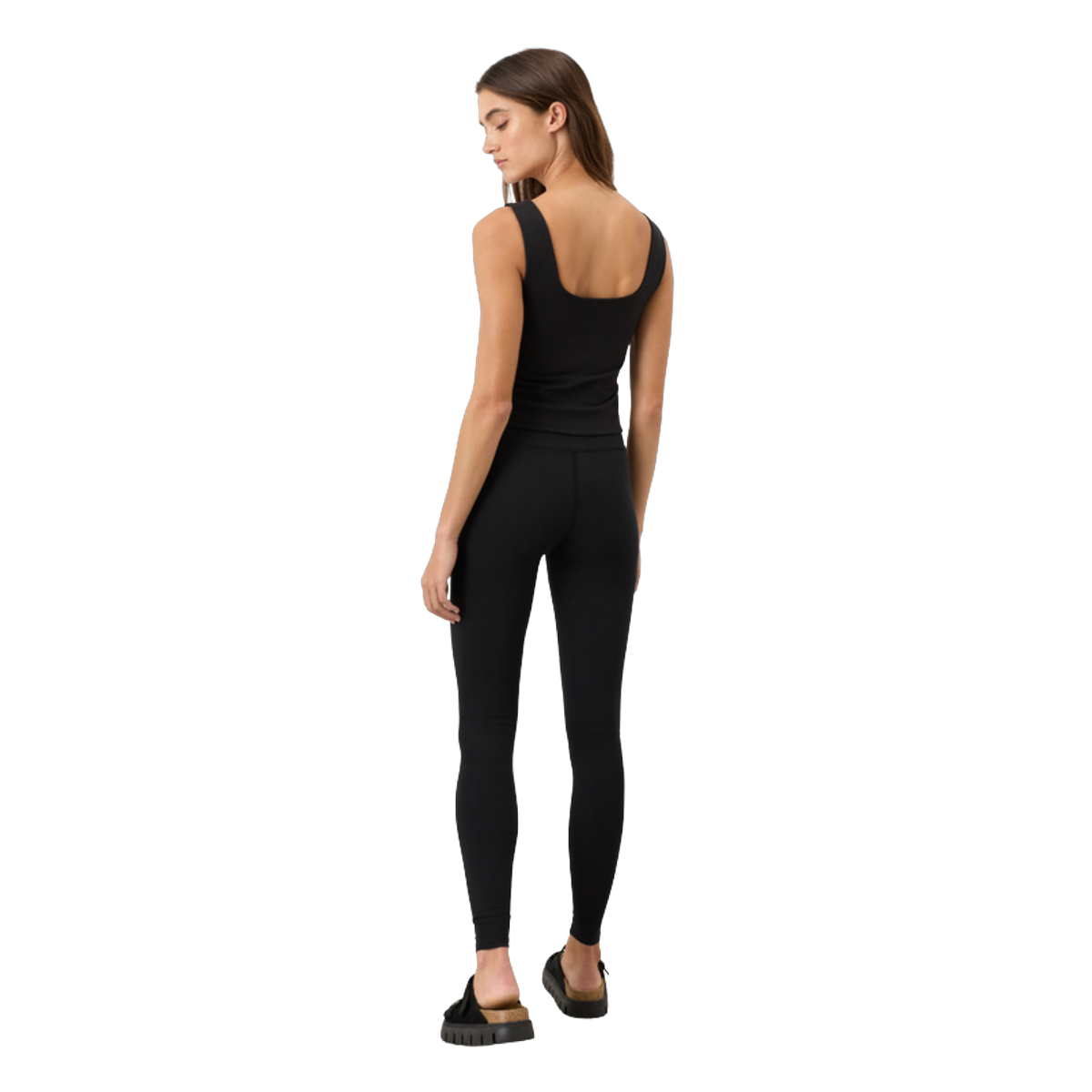
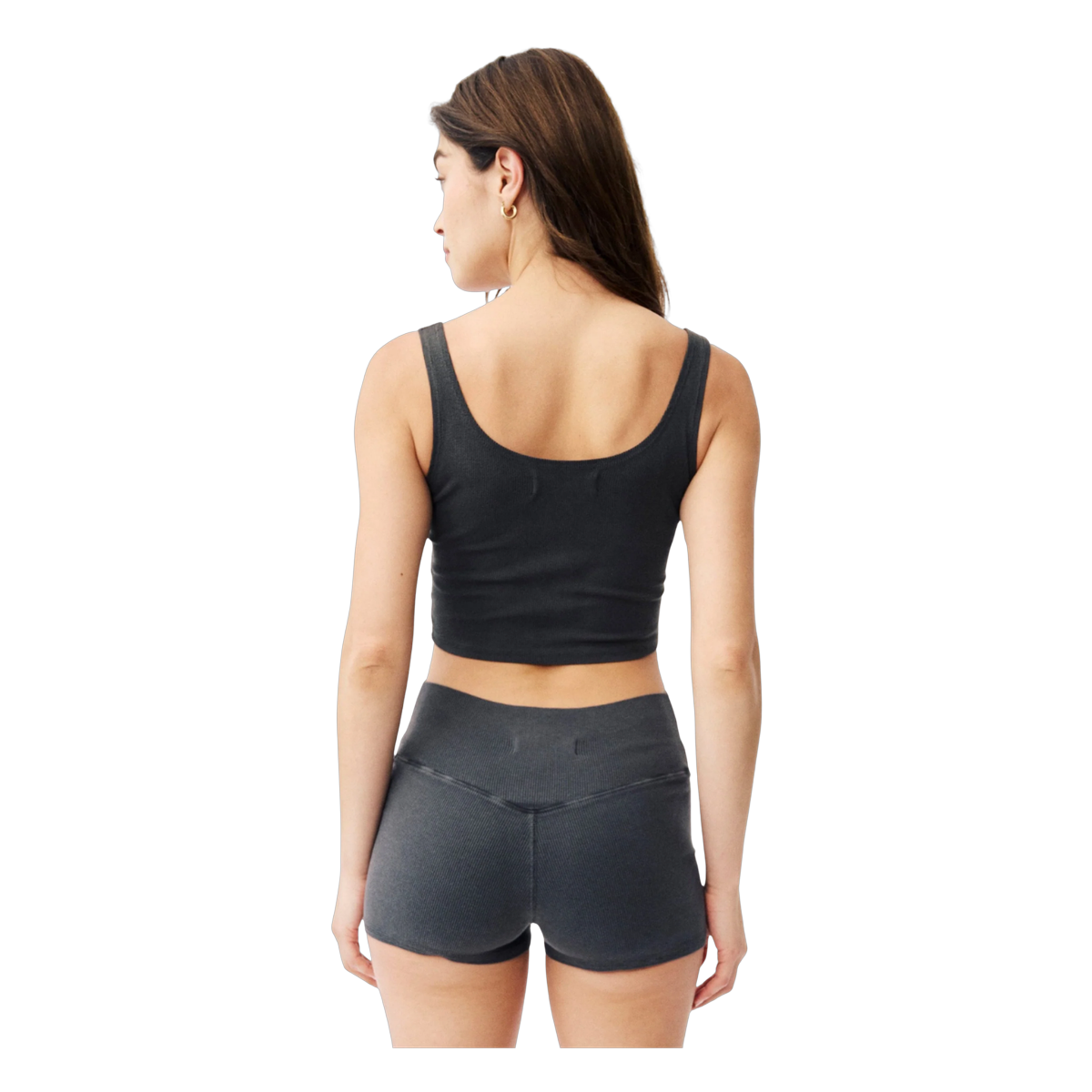
Groceries Apparel activewear
The most heavily certified pick, dyed with produce scraps instead of synthetic dye

1. Groceries Apparel

Fiber: GOTS certified organic cotton with up to 8% spandex

Other fibers the brand uses: The brand's broader line also uses eucalyptus (TENCEL) and recycled materials, all dyed with plant-based vege-dyes

Groceries Apparel runs its own factory in Los Angeles and colors its GOTS certified organic cotton with vege-dyes made from things like recycled coffee grounds and discarded pomegranate peels, instead of synthetic dye. The activewear line uses just enough spandex (up to 8%) for stretch and recovery while staying majority organic cotton. One long-term reviewer specifically noted wearing and washing a set dozens of times over six months with no pulled threads, loose seams, or stretched-out sections.

Price: $33–$108 depending on the piece

Pros

  • GOTS certified organic cotton throughout
  • Colored with plant-based vege-dyes instead of synthetic dye
  • Own factory in Los Angeles for tighter quality control
  • Reviewers report strong durability after months of regular wear and washing

Cons

  • Up to 8% spandex means it's not 100% natural fiber
  • Some customers report order and customer service issues
  • Sizing runs inconsistent across styles
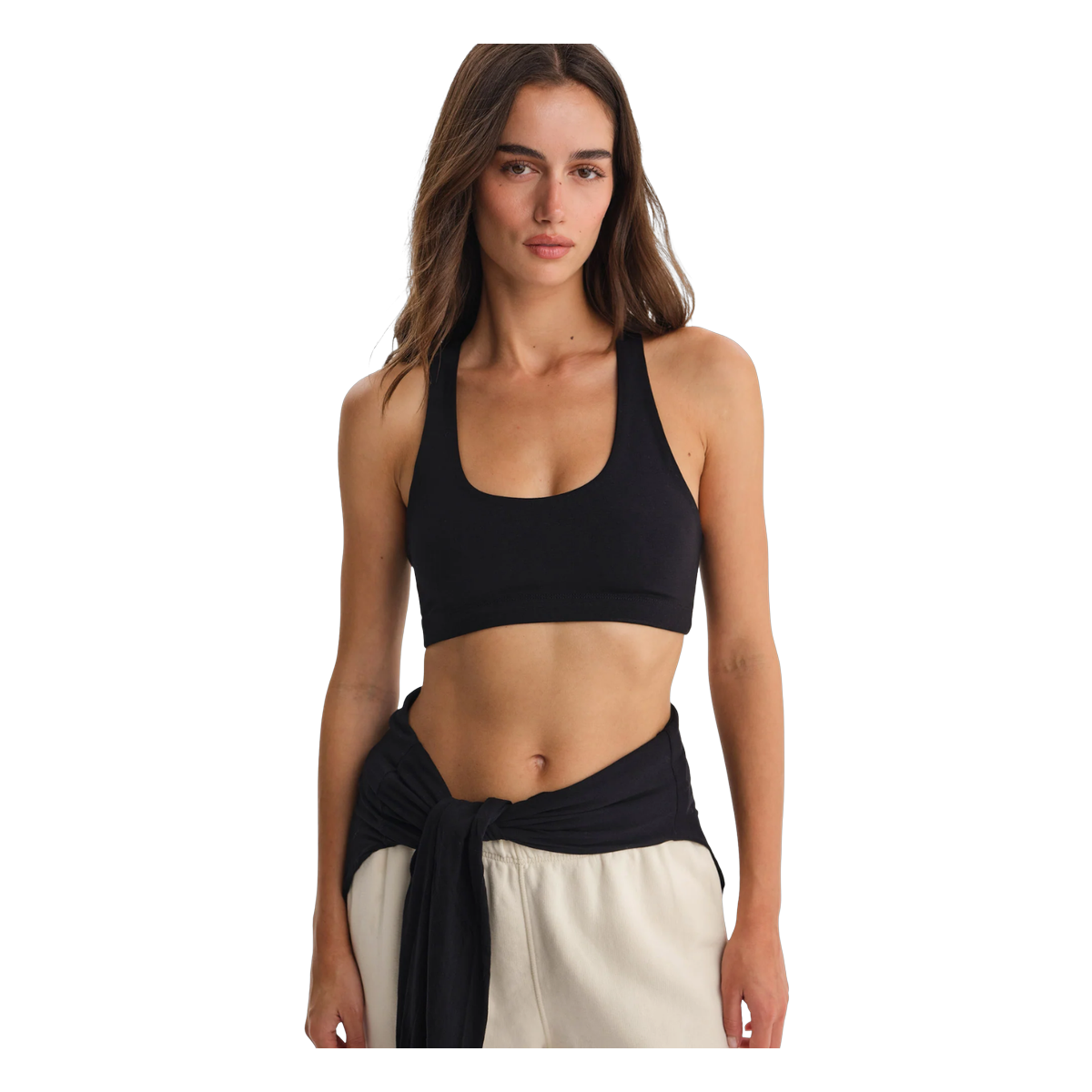
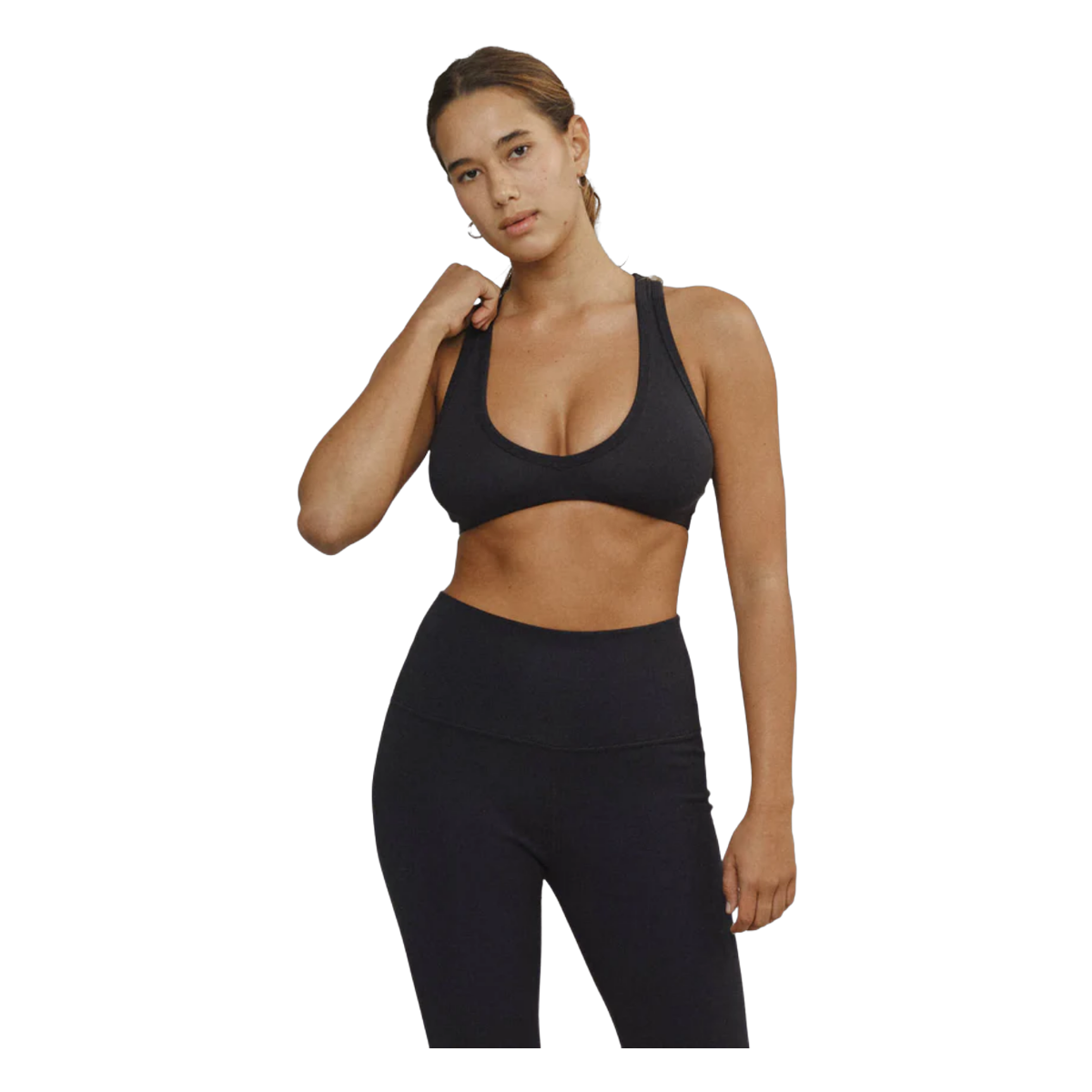
Mate the Label activewear
The most reviewed pick, with over 15,000 five-star ratings

2. Mate the Label

Fiber: 92% organic cotton, 8% spandex

Other fibers the brand uses: Mate's broader line includes organic cotton loungewear, denim, and sweats, all using the same base fabric

Mate the Label uses a 92% organic cotton, 8% spandex blend with non-toxic dyes across its entire activewear line, and the brand has racked up more than 15,000 five-star reviews doing it. The GOTS certified fabric is noticeably thick without feeling heavy, and reviewers consistently describe it as breathable and cozy rather than the clingy, synthetic feel of typical leggings. It's positioned for low-to-medium impact activity rather than high-intensity training.

Price: $58–$98 for a bra or leggings

Pros

  • GOTS certified organic cotton, non-toxic dyes throughout
  • Over 15,000 five-star reviews
  • Thick, substantial fabric that doesn't feel heavy
  • Same fabric used across a full loungewear and basics line

Cons

  • 8% spandex means it's not fully natural fiber
  • Best suited for low-to-medium impact activities, not high-intensity training
  • Several reviewers note it fits tighter than expected, sizing up recommended
Pact activewear
The most affordable pick, sold as a complete matching set

3. Pact

Fiber: Organic cotton with a small amount of elastane

Other fibers the brand uses: Pact's full catalog spans organic cotton basics, underwear, and sleepwear at accessible price points

Pact keeps prices well below most organic activewear competitors, with most pieces landing between $15 and $90, while still using organic cotton with just enough elastane for a smooth, squat-proof fit. Reviewers report the leggings hold up over time without stretching out, fading, or pilling, which is the actual test for activewear fabric. It's the pick here if you want a genuinely natural fiber set without paying premium-brand pricing.

Price: $40–$70 for a matching set

Pros

  • Most affordable organic cotton activewear on this list
  • Reviewers report strong durability: no stretching, fading, or pilling over time
  • Sold as a complete matching set
  • Soft with no break-in period required

Cons

  • Some reviewers note color fading after the first wash
  • Mixed reports on customer service and shipping times
  • Small amount of elastane, not 100% natural fiber
Read the full product page →Shop the set →
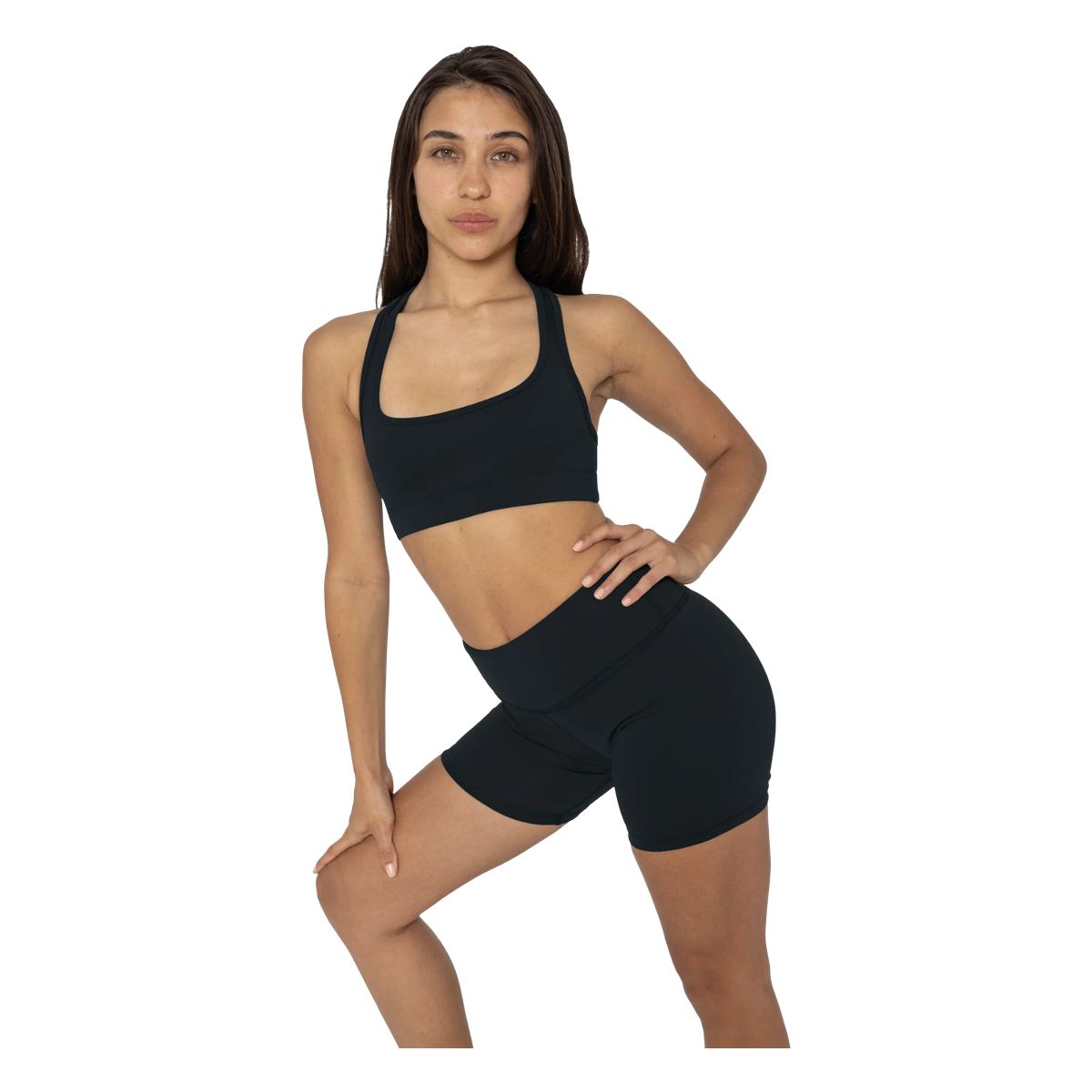
Los Angeles Apparel activewear
The heaviest, most durable cotton on this list, made in the USA

4. Los Angeles Apparel

Fiber: 100% cotton

Other fibers the brand uses: The brand's entire catalog is built on 100% cotton in various weights, from jersey tees to heavyweight fleece

Los Angeles Apparel uses a 6.5oz cotton weight where most basics run 4-5oz, garment-dyed and pre-shrunk so what you buy is what you keep. Independent reviewers consistently compare the fabric quality to American Apparel in its prime: substantial, durable, and shrink-resistant, with rich, saturated color that holds up wash after wash without pilling or warping. It's manufactured in South Central Los Angeles, and the above-market pricing reflects US manufacturing costs and factory wages.

Price: $30 for tops, $70–$80 for pants

Pros

  • 100% cotton with zero synthetic blend
  • Heavyweight 6.5oz fabric holds up significantly better than typical basics
  • Garment-dyed and pre-shrunk, no surprise shrinkage after washing
  • Made in the USA with fair factory wages

Cons

  • Sizing runs inconsistent, sizing up is commonly recommended
  • Slower shipping and more difficult returns than some competitors
  • Less stretch than blended activewear fabrics
Jungmaven activewear
The hemp pick, naturally antimicrobial and gets softer with every wear

5. Jungmaven

Fiber: Hemp fabric blend

Other fibers the brand uses: Jungmaven's full line is hemp-based, from classic tees to leggings, cut and sewn in Los Angeles

Jungmaven's hemp fabric is soft, breathable, and naturally moisture-wicking straight out of the package, a quality most cotton garments take years of wear to develop. Hemp is also naturally antimicrobial, which matters specifically for activewear that's going to get sweat on it repeatedly. Reviewers who've owned pieces for years report zero tears, holes, or signs of deterioration, just fabric that keeps getting softer. Most pieces are cut and sewn in Los Angeles.

Price: $55–$84 for a top, pants run higher for the heavier weight

Pros

  • Hemp is naturally antimicrobial, useful specifically for sweat-heavy activewear
  • Moisture-wicking and temperature-regulating without any synthetic treatment
  • Reviewers report years of heavy wear with no tears or deterioration
  • Cut and sewn in Los Angeles

Cons

  • Higher price point, some reviewers note the cost feels steep for a basic piece
  • Hemp has a different, slightly stiffer initial hand than cotton until broken in
  • Fewer specific compression or performance features than dedicated activewear brands
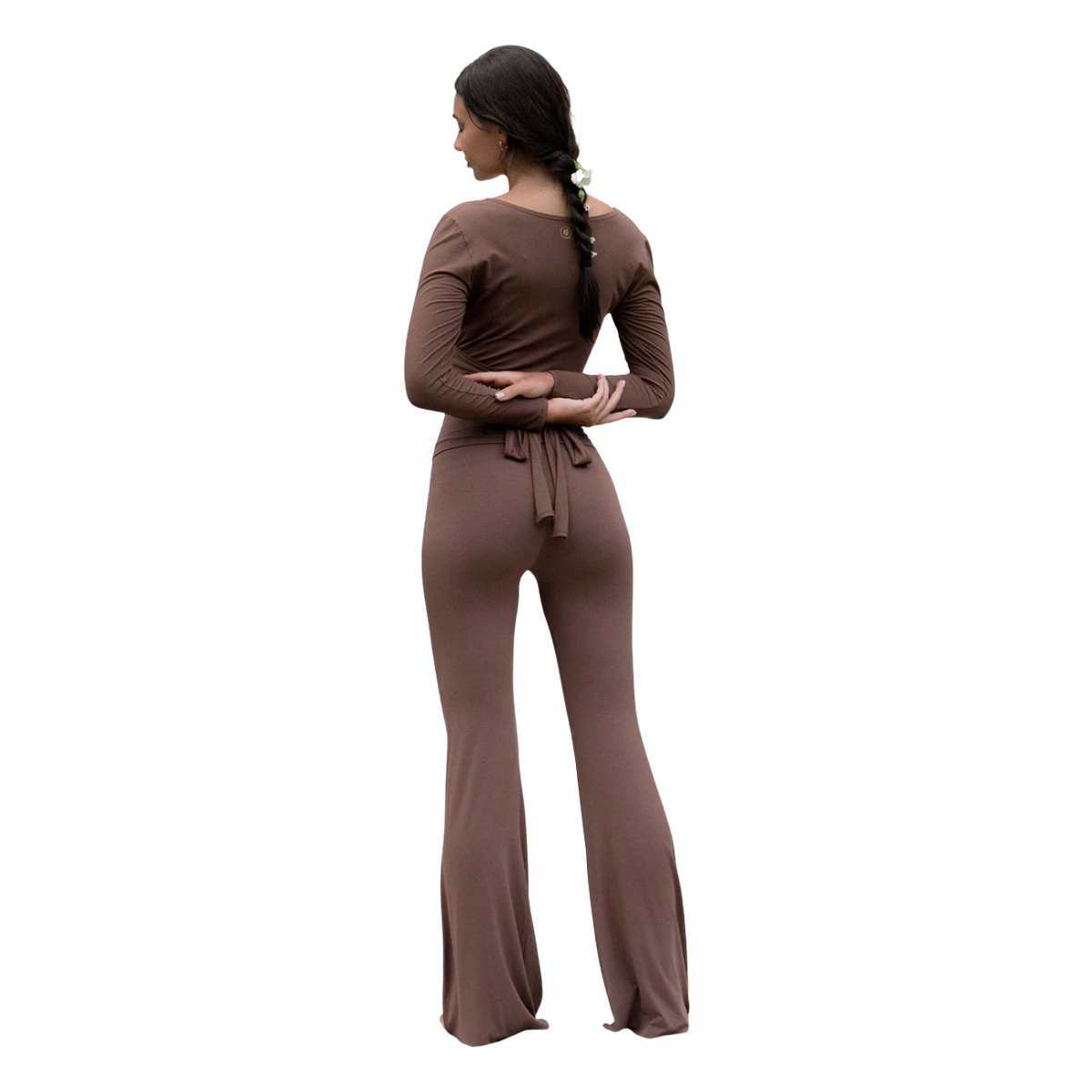
Indigo Luna activewear
The softest hand-feel here, a buttery organic cotton and plant viscose blend

6. Indigo Luna

Fiber: Organic cotton and plant viscose blend

Other fibers the brand uses: The brand's collections split between pure organic cotton pieces and their signature cotton-viscose blend

Indigo Luna's signature fabric blends organic cotton with plant-derived viscose for what reviewers repeatedly describe as a "buttery soft" handfeel, distinctly different from the compression-forward synthetic feel of most activewear. The cotton is grown without synthetic pesticides or GMO seeds. It's an Australian brand, so shipping to the US runs higher than domestic options, and it doesn't run frequent sales, which shows up in reviews as a common complaint alongside the price.

Price: $50–$110 for a top or leggings

Pros

  • Organic cotton grown without synthetic pesticides or GMO seeds
  • Distinctly soft, buttery handfeel from the cotton-viscose blend
  • Comfortable, non-compression fit that reviewers say feels better against skin than polyester
  • Full range of yoga and lifestyle pieces in the same fabric

Cons

  • High international shipping costs from Australia
  • Rarely runs sales or discounts
  • A few reviewers report leggings running sheer or see-through

Frequently asked questions

Why does synthetic activewear fabric matter for skin health?

Most activewear is polyester, nylon, or spandex, all petroleum-based synthetics that don't breathe well and can trap heat, sweat, and bacteria against skin during exercise, exactly when your pores are most open. Natural fibers like organic cotton and hemp breathe, wick moisture, and don't rely on synthetic treatments (some polyester activewear is also treated with PFAS-based stain and odor resistance) to perform.

Can 100% natural fiber activewear actually perform for workouts?

For low-to-moderate intensity activity (yoga, walking, strength training, everyday wear) yes, natural fibers like organic cotton and hemp perform well and are naturally moisture-wicking. For high-intensity training or heavy compression needs, a small percentage of elastane or spandex (5-8%, like Groceries Apparel or Mate the Label use) adds stretch without sacrificing the natural fiber base.

Is hemp activewear actually better than cotton for workouts?

Hemp has a natural edge for sweat-heavy activity specifically: it's naturally antimicrobial, which helps resist the odor buildup that cotton can hold onto, and it gets softer with wear rather than breaking down. Cotton is softer initially and more widely available in activewear-specific cuts, so the better choice depends on whether odor resistance or immediate softness matters more to you.

What should I check on an activewear label to confirm it's actually organic?

Look for GOTS certification specifically, which Groceries Apparel and Mate the Label both carry, rather than a brand's own "organic" or "eco-friendly" claim. GOTS certification verifies organic growing and processing standards through the entire supply chain, not just the raw fiber before it's dyed and treated.

More natural fiber swaps

From workout clothes to sleepwear, every product in Apparel is vetted against my standards.

Shop Activewear →

This post contains affiliate links. If you buy through them I earn a small commission at no cost to you. Every pick meets my standards regardless.