What actually matters when you're shopping
CADR (Clean Air Delivery Rate) tells you how fast a purifier actually cleans air, and it should be matched to your room size, not just glanced at. Noise matters more than most buyers expect: a purifier that's loud on the setting you'll actually run daily gets turned off, which defeats the purpose. And filter cost is a real ongoing expense, not a one-time purchase, so I've included it for every pick below.
The 6 best air purifiers, ranked
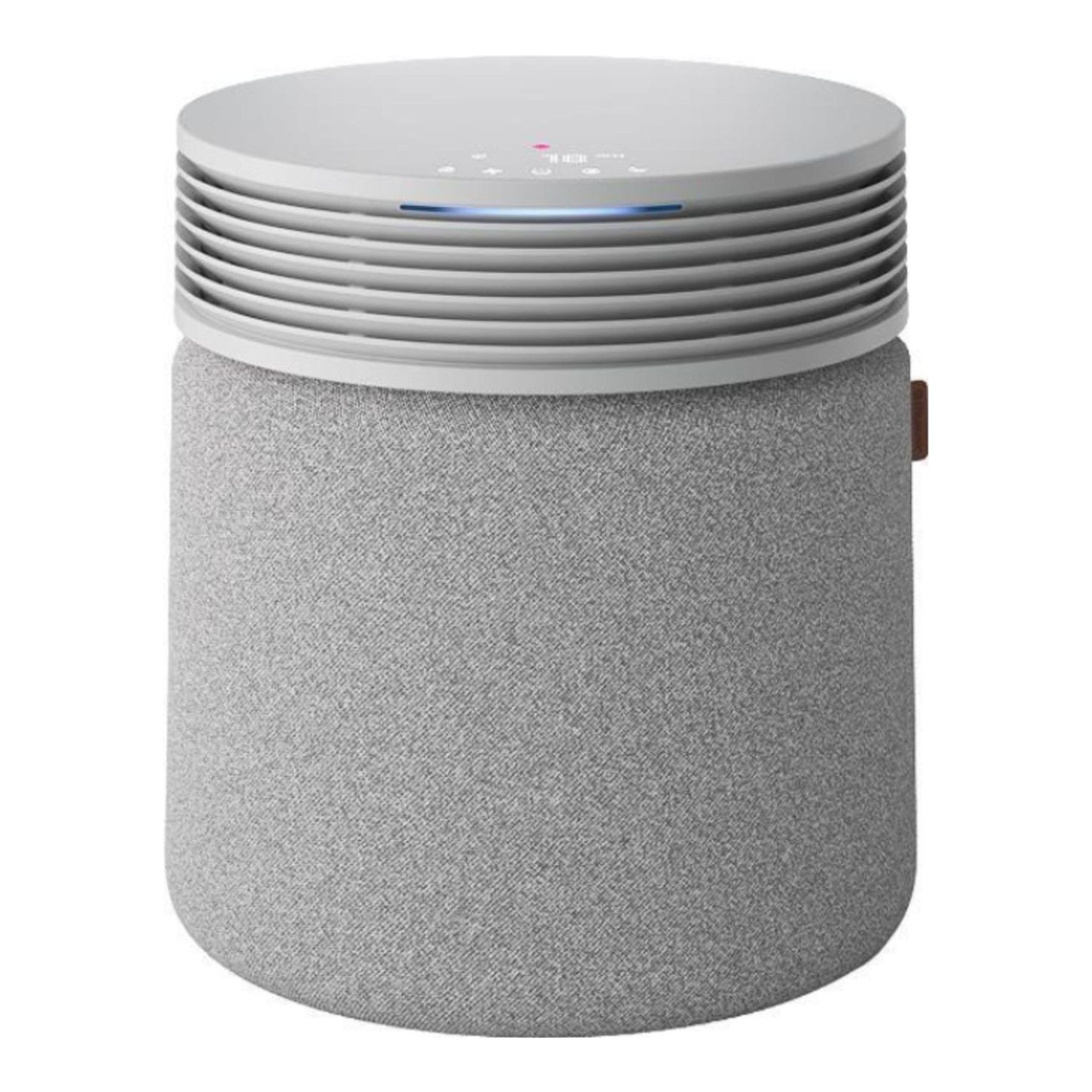
Best overall: fast, quiet, and stylish enough to double as furniture1. Blueair Blue Signature
Blueair built the Signature around HEPASilent technology and 7-stage filtration, and it shows in the numbers: a CADR up to 455 CFM covers rooms as large as 700 square feet, and it stays around 37 dB on auto or low. The app lets you set schedules and control brightness, and it's genuinely handsome enough to sit in your living room without looking like an appliance.
Price: $450–$500
Pros
- Very fast air cleaning with a top-tier CADR rating
- Whisper-quiet at low and auto settings (37 dB)
- Stylish, customizable Scandinavian design
- Low energy cost to run compared to other high-CADR models
Cons
- Replacement filters run about $100 a year
- Wooden legs and other accessories cost extra
- Fabric pre-filter needs regular vacuuming in dusty or pet-heavy homes
2. Coway Airmega 250
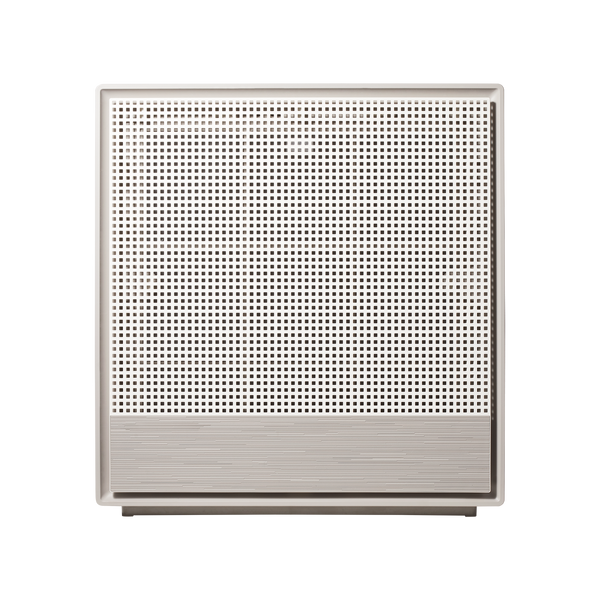
The Airmega 250 covers up to 930 square feet with a dual-filtration system that handles allergens, VOCs, bacteria, mold, and odors. It's one of the most consistently recommended purifiers by independent reviewers, and Amazon reviews back that up at 4.5 stars. Skip the Wi-Fi-enabled 250S and save $50; the core filtration performance is identical.
Price: $399–$449
Pros
- Excellent odor and allergen removal
- Nearly silent on its lowest setting
- Strong build quality for the price
- Wide size coverage for the cost
Cons
- Only a few fan speeds, and it gets noticeably louder above the lowest one
- The companion app has weak ratings and logs users out often
- A few reviewers report fan wobble on the base model
3. IQAir Atem Earth
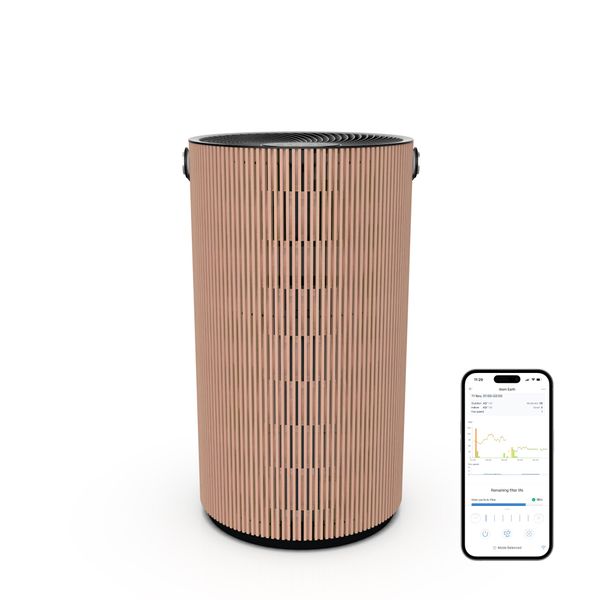
IQAir's HyperHEPA filtration removes up to 99.5% of particles as small as 0.003 microns, a tier above standard HEPA, and it's housed in a sustainably sourced beech wood body that uses far less plastic than a typical purifier. It's backed by a 10-year warranty and a 25-year repairability guarantee, built to be maintained for decades rather than replaced.
Price: $999
Pros
- Best-in-class filtration for ultrafine particles
- Sustainable, genuinely beautiful wood housing
- 10-year warranty with long-term repairability
- Energy efficient at just 50 watts on max speed
Cons
- The price puts it out of reach for most households
- Sized more for a bedroom or office than a whole home
- Replacement filters are priced at a premium too
4. Alen BreatheSmart 45i
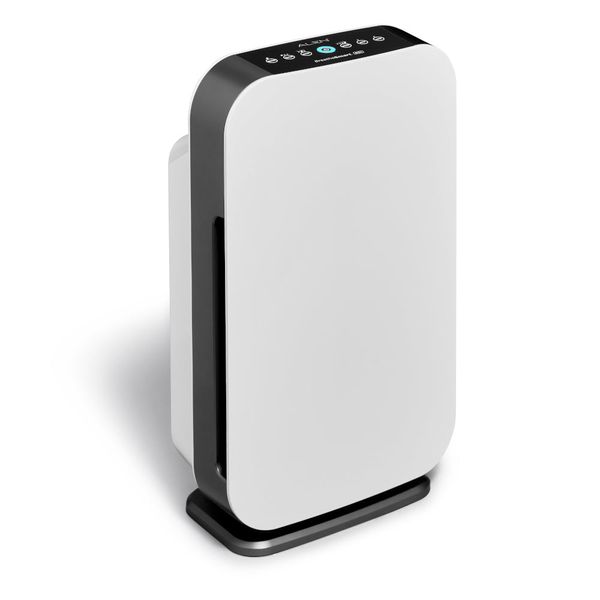
Alen lets you choose the filter that matches your issue: Pure for general allergens, Fresh for VOCs and smoke, or the HEPA-OdorCell for pet odor. It covers up to 800 square feet, runs at a quiet 49 dB, and comes with a genuine lifetime warranty. In an independent SleepScore study, every participant said they'd keep using it after the trial.
Price: $419–$500 depending on filter and finish
Pros
- Filter options let you target your specific air quality problem
- Lifetime warranty on the unit itself
- Filters last up to a year, longer than the 6-month industry norm
- 14 color and finish options
Cons
- Not built for rooms much larger than 800 square feet
- Pre-filter needs vacuuming roughly every two weeks
- Upgraded filters and finishes add to the base price quickly
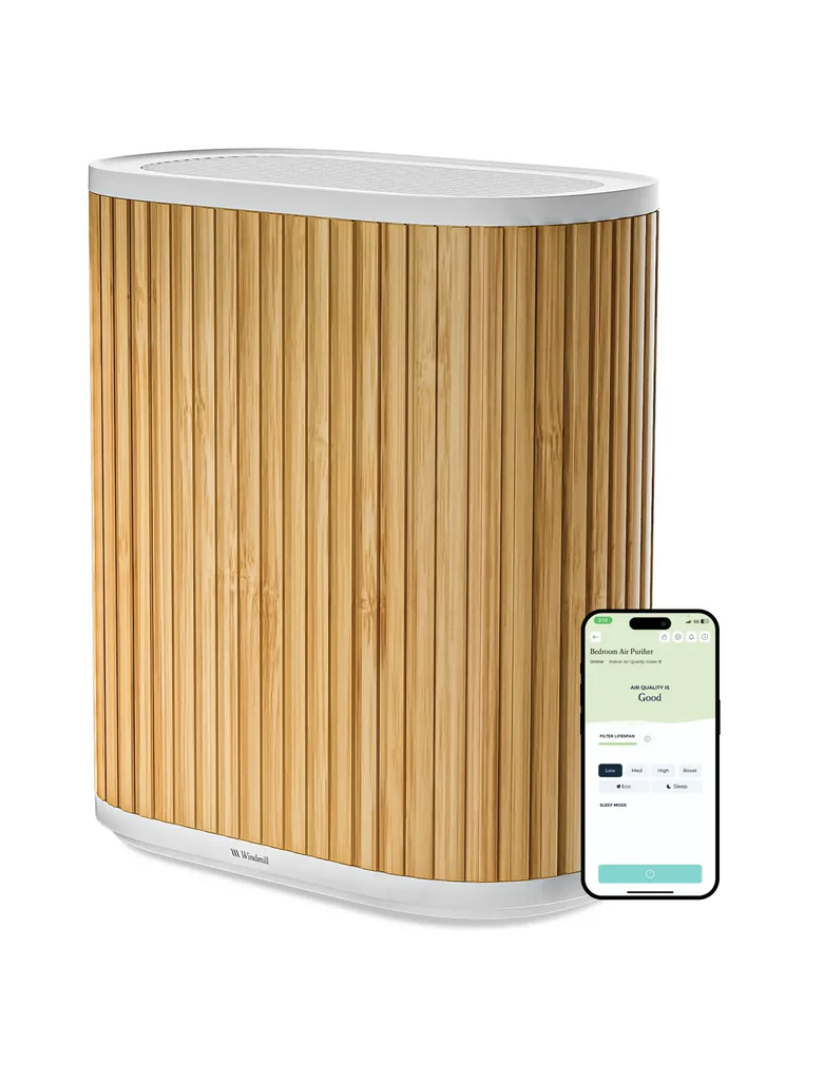
5. Windmill Air Purifier Max
Windmill's True HEPA filter captures 99.97% of particles down to 0.3 microns, and the app adds real-time air quality monitoring, scheduling, and child lock. It's covered rooms up to 400 square feet in most listings, with larger coverage claims on some retailer pages, so measure your room before buying. A filter subscription knocks $50 off the unit price at checkout.
Price: $200–$300, less with a filter subscription
Pros
- True HEPA filtration with independent lab backing
- Real-time air quality monitoring in the app
- Sleek design that doesn't look like a typical purifier
- Strong, responsive customer service by most accounts
Cons
- Noticeably louder on the highest fan speed
- Locked into Windmill's proprietary filters
- Newer brand with a shorter reliability track record than Coway or IQAir
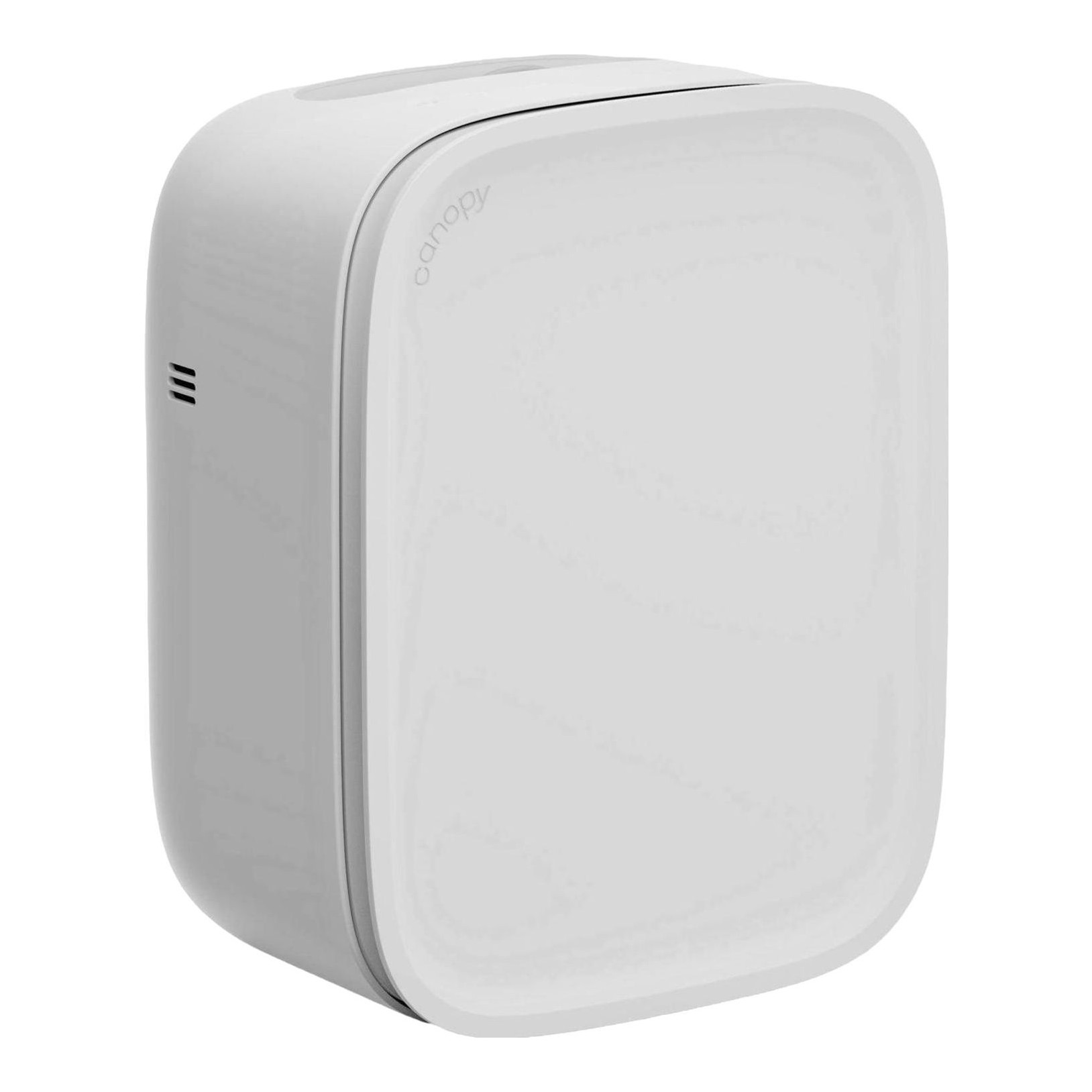
6. Canopy Bedside Air Purifier
Canopy's Bedside unit is smaller than a laptop, with a multi-stage HEPA filter rated to trap 99.97% of dust, pollen, and smoke. It's whisper-quiet on the lowest setting, has a USB-C charging port and a built-in nightlight, and you can eject the used filter straight into the trash without touching it. It's not designed to purify a whole room, just the air right around your bed.
Price: $199, filters $40–$45 each
Pros
- Compact and genuinely designed for a nightstand
- Very quiet on low
- No-touch filter ejection and a built-in nightlight
- Optional aromatherapy pad for essential oils
Cons
- Small coverage area, not meant for whole-room purification
- Needs a direct outlet, not a power strip or extension cord
- Pricier per square foot of coverage than whole-room options
Frequently asked questions
What should I actually look for in an air purifier?
A True HEPA filter (captures 99.97% of particles at 0.3 microns), a CADR rating matched to your room size, and a noise level you can live with on a daily setting, not just the lowest one. Skip anything that relies primarily on ionization or ozone generation as its main mechanism.
How do I know what size air purifier I need?
Match the purifier's CADR and stated square footage to your actual room, not your whole home, unless the unit is rated for whole-home coverage. A purifier rated for 400 square feet will struggle in an 800 square foot open floor plan even if it's technically running.
Is a more expensive air purifier actually better?
Past a certain point, price buys you filtration precision (like IQAir's HyperHEPA), build quality, and warranty length rather than dramatically cleaner air. A well-reviewed $400 purifier like the Coway Airmega 250 will handle the vast majority of home allergy and air quality needs.
How often do air purifier filters need to be replaced?
Most True HEPA filters last 6 to 12 months depending on use and air quality, and pre-filters typically need vacuuming every 2 to 4 weeks in between. Check the specific brand, since replacement cost varies a lot: Alen's filters last up to a year, while some budget brands need swaps every 3 months.
More home air quality swaps
From filtration to fragrance-free everything, every product in Home is vetted against my standards.
Shop Air Purifiers →This post contains affiliate links. If you buy through them I earn a small commission at no cost to you. Every pick meets my standards regardless.